Web3 Banking Symposium 2026: Shaping the Future of the Global Financial Ecosystem
Are you shaping the future of finance, or watching it pass you by?
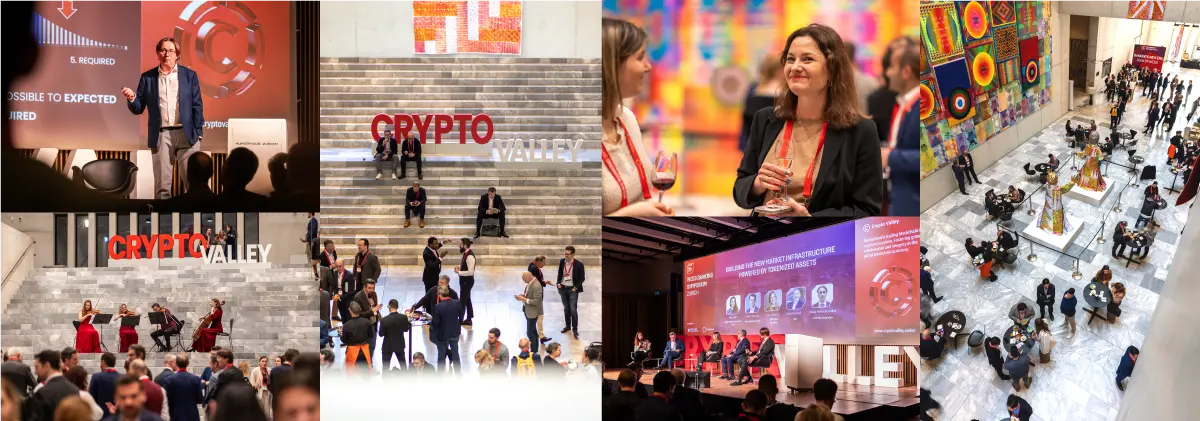
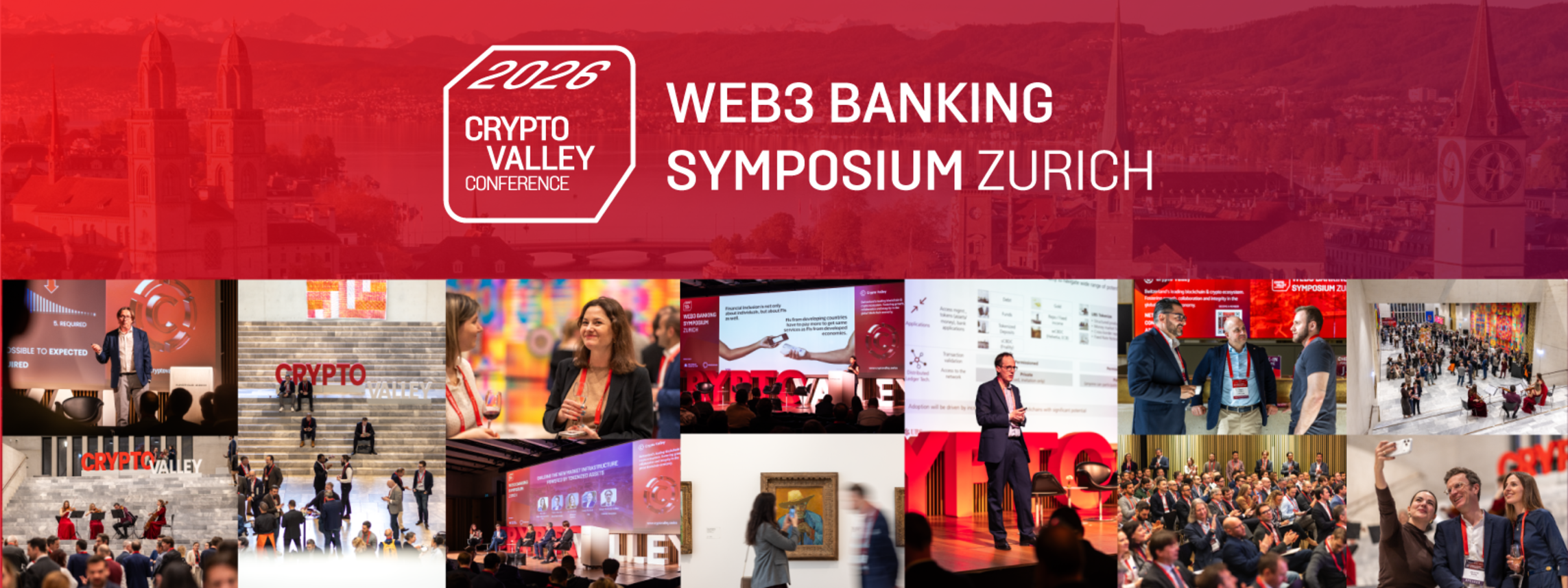
On March 2, global leaders in finance, payments, and digital assets convened in Zurich for the 2026 Web3 Banking Symposium.
With C-suite representation from some of the world’s most influential institutions, including SWIFT, Visa, Franklin Templeton, Blockstream, Bank of International Settlements, Ripple and more, the Symposium reflected a decisive shift in perspective: Digital assets are no longer experimental. They are operational.
Today, the question is no longer whether to integrate Web3 technologies, but how to do so securely, profitably, and at scale.
Setting the Tone: Lead the Shift, Don’t Chase It
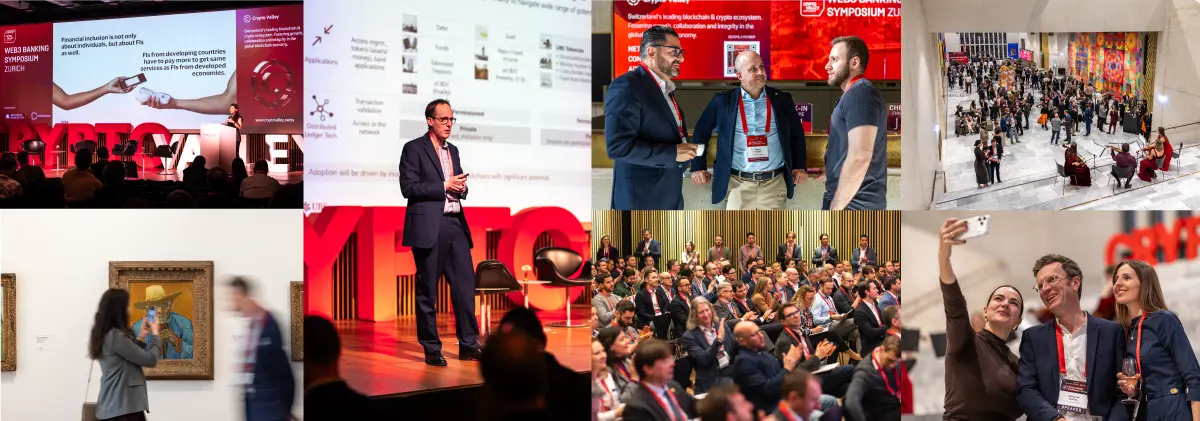
Opening the symposium, Jérôme Bailly President of the Crypto Valley Association, began the event with a powerful sentiment that “Walking together is really the way forward!” which echoed during the remainder of the day as both traditional financial institutions and blockchain & crypto companies took the stage jointly speaking to a common understanding .
Ilya Volkov, YouHodler CEO and CVA Board Member, then set the intellectual framework for the Symposium with this remarks that "Innovation isn’t just about technology; it’s about people, knowledge, and the ability to create real value.”
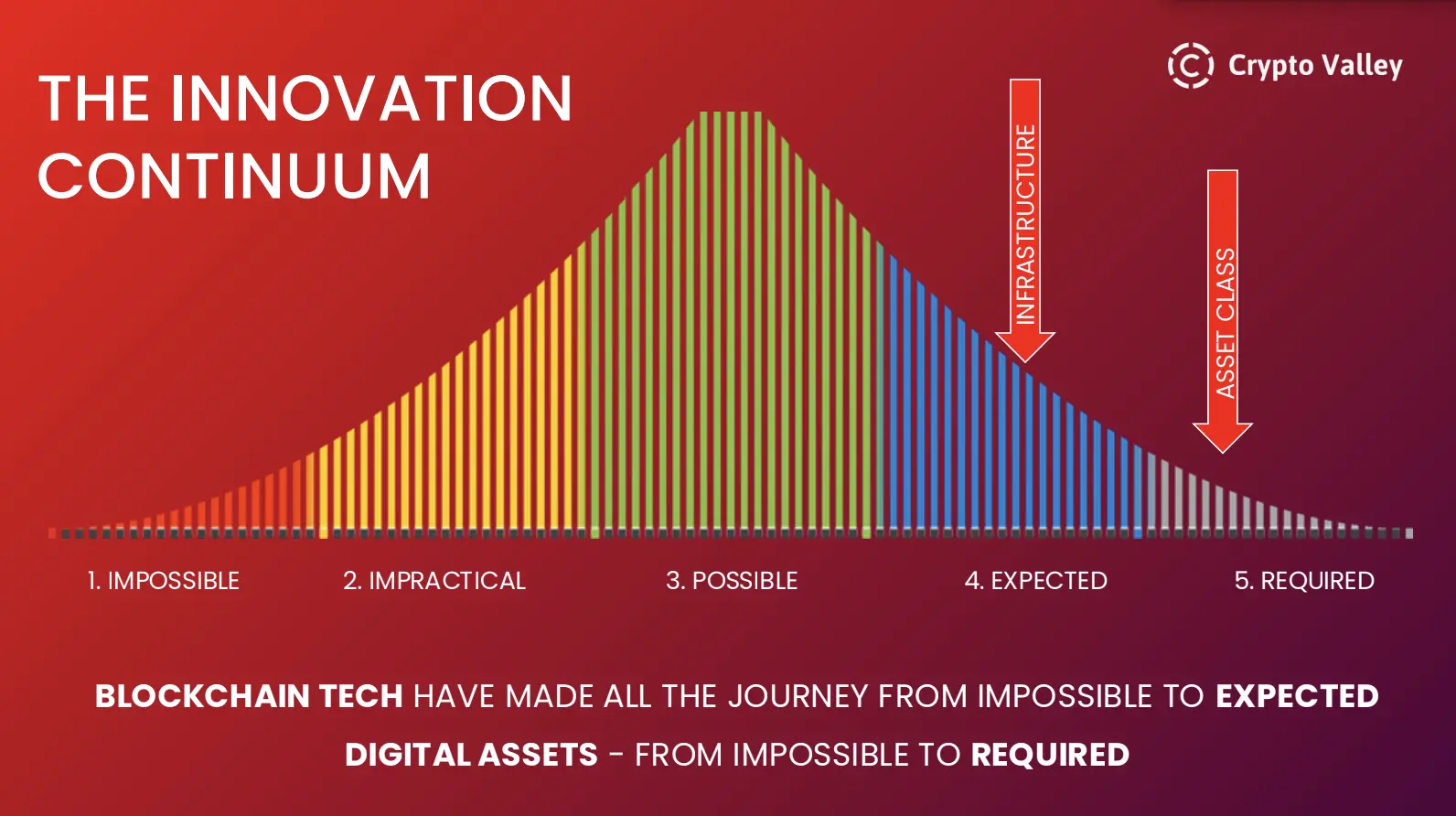
In his keynote, Volkov emphasized that staying ahead in banking requires more than passive adoption of blockchain tools. Drawing on YouHodler’s experience as a Swiss-based Web3 fintech platform that bridges fiat and crypto services, he underscored how regulated, compliant infrastructure is turning Web3 from a disruptive force into an institutional asset.
Breaking Down the Evolution of Global Finance
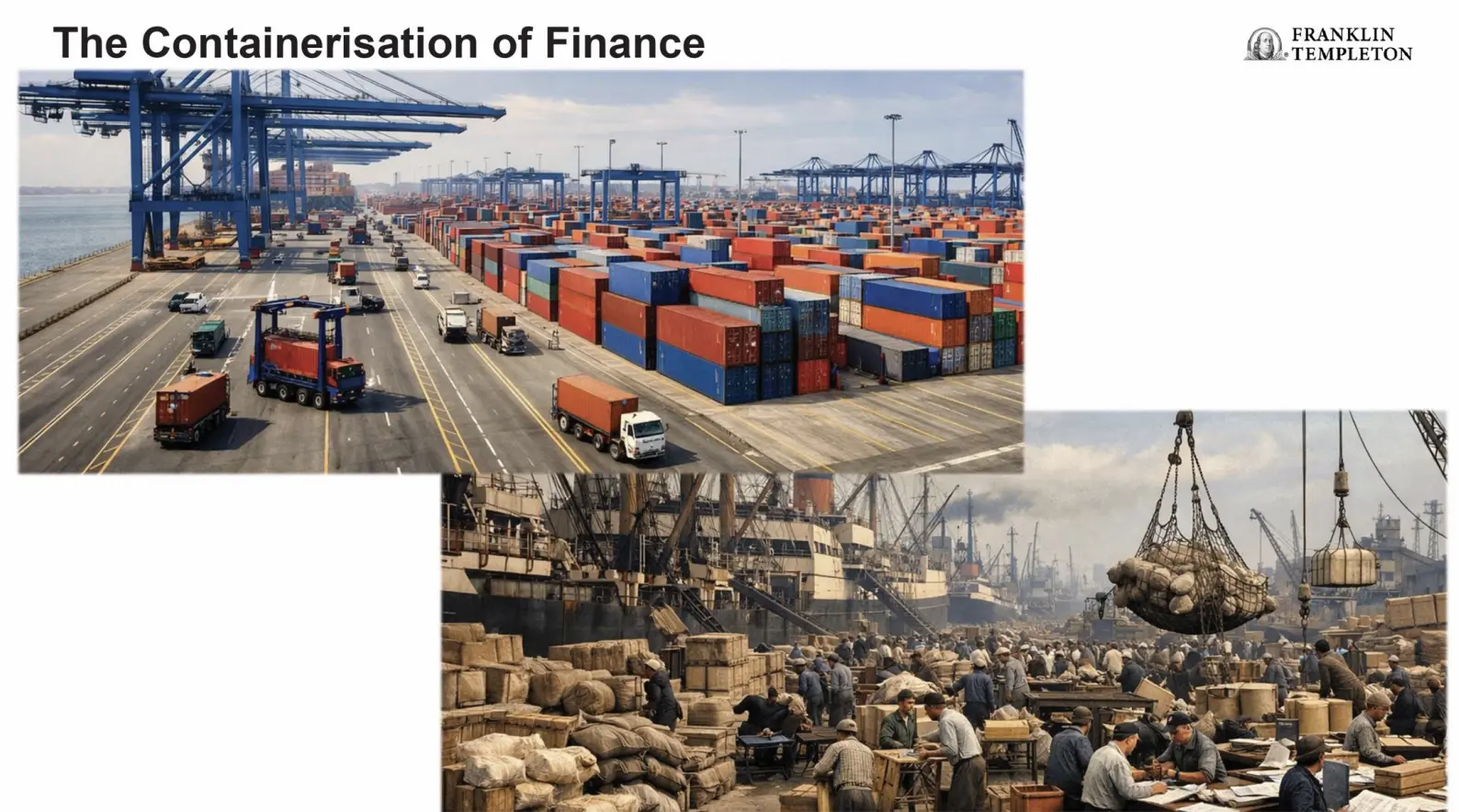
Christian Ledger, Head of Switzerland at Franklin Templeton, offered a very compelling perspective in his keynote From Vaults to Wallets – Three Things Banks and Assets Managers Can No Longer Avoid. Drawing parallels to how container technology revolutionized global logistics, he outlined how wallets are becoming the new financial center of gravity.
“Before shipping containers, ports were messy. After containers all of the sudden everything was standardized. Goods moved seamlessly. Blockchain is the containerization of finance… Blockchain isn’t a product. It’s the next operating system for financial services.”
During the fireside chat, Collaboration at Scale: Powering Global Digital Finance, Nick Kerigan, Head of Innovation at SWIFT, shared insights into how SWIFT - the backbone of international finance - is evolving its global settlement infrastructure with their blockchain based ledger. In the conversation with Niki Csanyi, Executive Director of the CVA, he explained how the organization is integrating blockchain technology with existing payment rails to enable 24/7 settlement, while maintaining the reliability, interoperability, and security that the international banking network depends on.
“We want to get into a production environment really, really quickly… We are creating a standardisation platform which will enable people to be able to come and plug and play to create standards of compliance to the market."
The pace with which SWIFT is moving shows how rapidly our current financial infrastructure is changing.
Not only we've heard from traidtional financial institutions, but crypto native leaders also shared their perpectives on institutional adoption.
“The institutions are not asking you what’s possible, they’re asking you what’s reliable.”
In his keynote, Dr. Adam Back, co-founder and CEO of Blockstream, delivered a thought-provoking keynote on Bitcoin’s growing role in financial settlement systems, grounding the discussion about reliability, verifiability, and secure base layers. His insights sparked lively discussion among attendees, particularly around how Bitcoin-based settlement layers could complement existing banking rails.
Dr. Christoph Puhr, Lead of the Digital Assets Center of Expertise at UBS shared in his keynote about Public Blockchains as Financial Market Infrastructure, the relevance and immense power of blockchain technology, as well as all the use cases UBS is exploring.
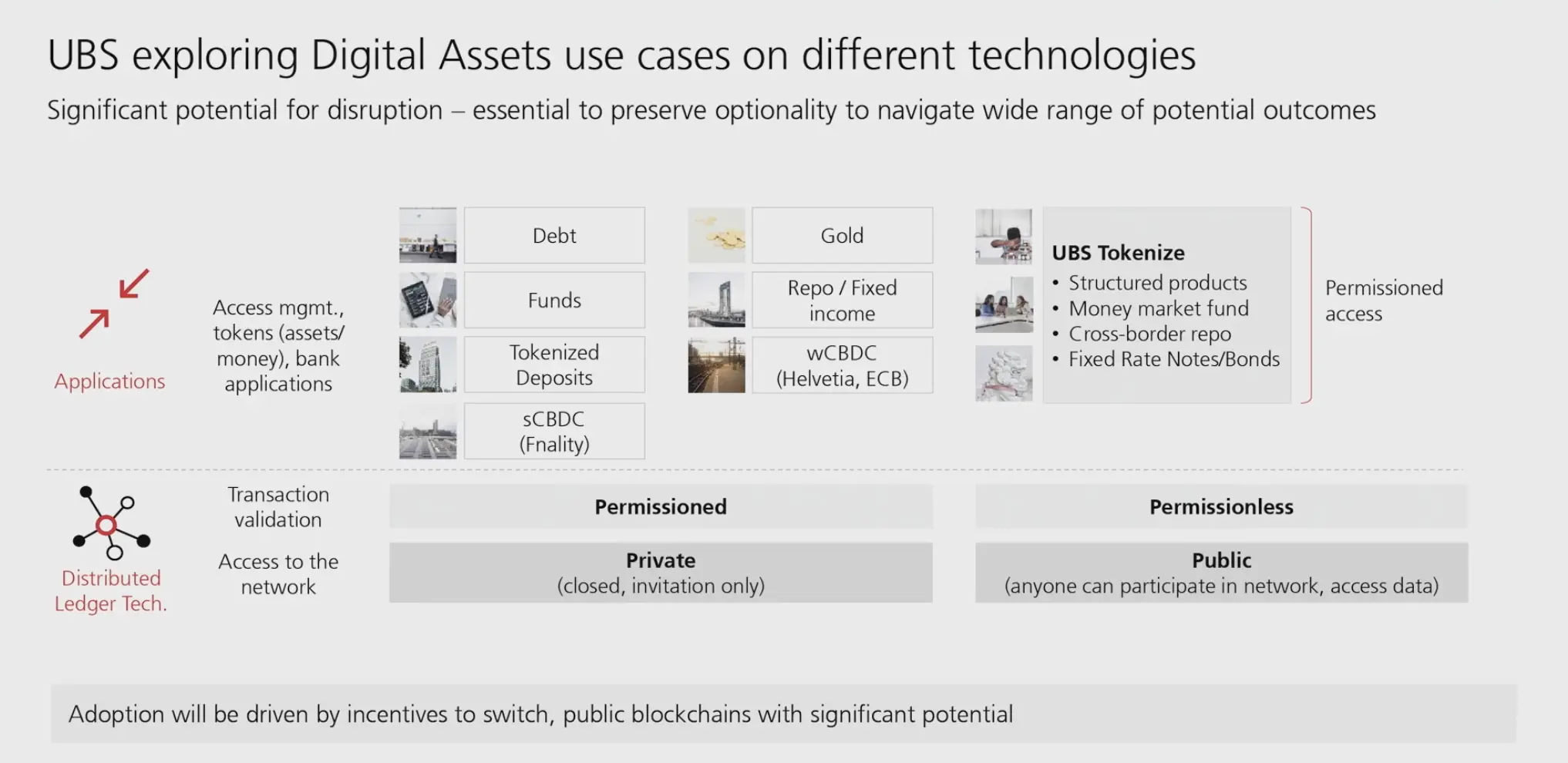
Forward looking he highlighted the next steps that can accelerate this innovation more:
“Once you have digital identity that can be stored in a decentralized way, it can massively accelerate and amplify this entire new financial paradigm.”
Stablecoins and Financial Inclusion: Visa’s Institutional Lens
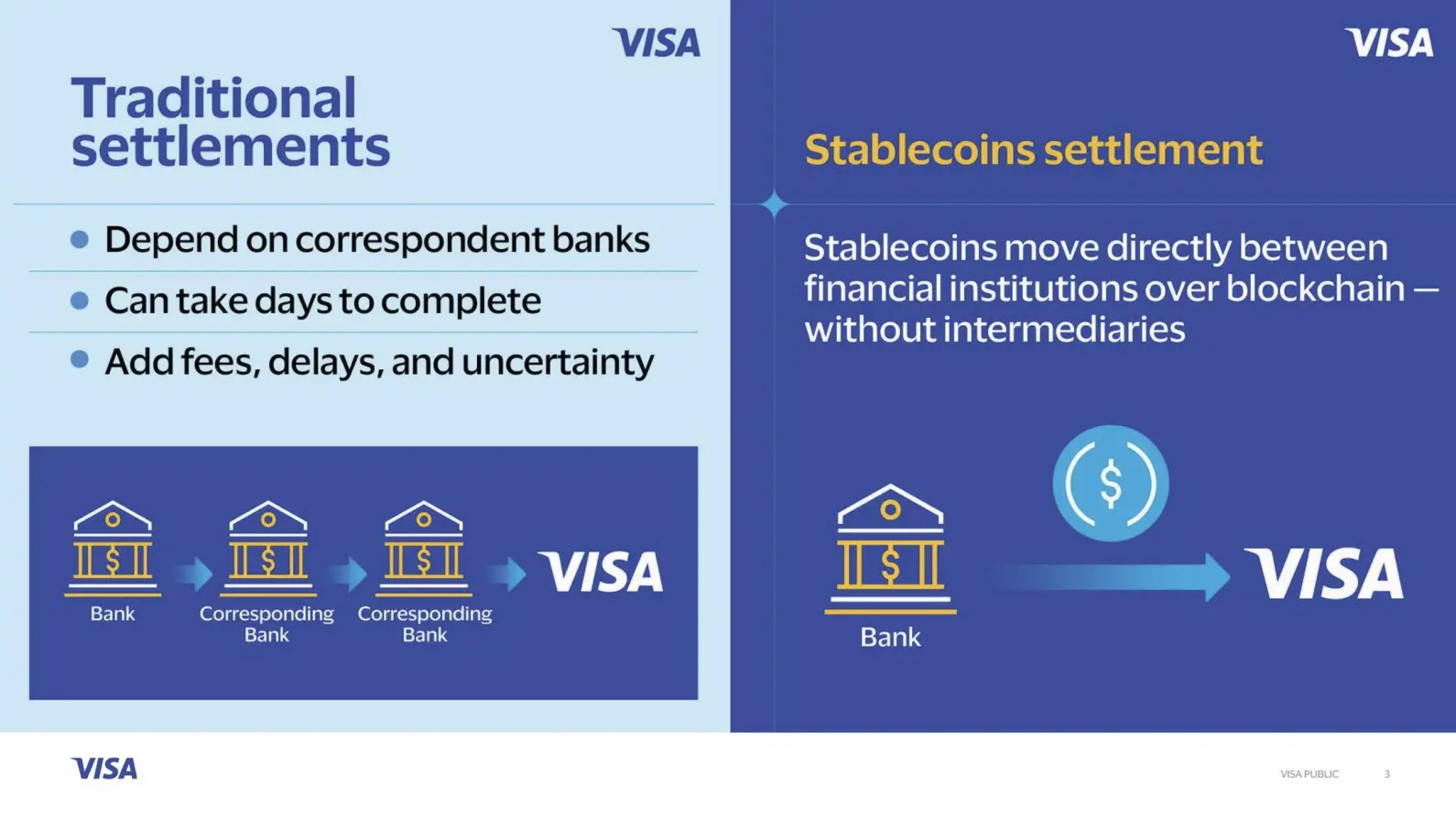
One of the most anticipated sessions featured Makhbuba Mukhamadieva, Visa’s Head of Digital Currency Solutions (CEMEA) on stablecoins and the power they hold.
“Stablecoins allow banks in developing economies to communicate almost directly, without the complexity of correspondent banking, and with far greater predictability. We moved from a process where settlement timing was uncertain to one where obligations were fulfilled within minutes, with full transparency and trust… This is not experimentation. It is the same business, but with next-generation rails. Stablecoins are an infrastructural play.”
Liberating Money: Instant Settlement, New Financial Architecture, Accessing New Ways of Liquidity and Products
Throughout the day stimulating panel discussions took place that addressed the evolution of international payments, settlements, credit markets and more powered by blockchain.
We've heard viewpoints from both traditional institutions like the Swiss National Bank, Bank of International Settlements, SIX and crypto native players like N3XT, Unblock, BX Digital, etc.
There was consensus among participants from both sides, that today institutions are no longer debating if instant settlement will happen; they are actively engineering it. They also agree that digital assets offer enhanced traceability, speed, provide better liquidity but scaling these advantages requires robust infrastructure, compliance frameworks, and conservative risk management approaches, qualities that are increasingly expected from regulated Web3 providers.
The Web3 Banking Report: Data Confirms the Shift
A major highlight of the event was the unveiling of the inaugural Web3 Banking Report, produced by the Crypto Valley Association in partnership with The Big Whale.
Featuring over 15 exclusive interviews with leaders from UBS, Swissquote, Crypto Finance Group, Taurus SA, Sygnum Bank, YouHodler, PostFinance, Arab Bank (Switzerland) Ltd., and others, the report provides an in-depth look at how Swiss institutions are integrating digital assets.
Key findings include:
● Profitable adoption: Digital assets are contributing single- to double-digit revenue percentages at major institutions.
● Mass market access: Crypto services are reaching both high-net-worth clients and large-scale retail user bases.
● Stablecoin-driven innovation: Cross-border payments and automated settlements are advancing, including integration with initiatives like the Swiss National Bank’s Project Helvetia.
● Regulatory balance: Swiss institutions are navigating MiCA and international frameworks while maintaining flexibility for local innovation.
As emphasized during the report presentation, “Switzerland is leading the charge, but keeping pace with global markets will require continued innovation and vigilance.”
You can download the report here
From Conversation to Implementation
For the Crypto Valley Association, the Symposium demonstrated Switzerland’s continued leadership in shaping the global dialogue around compliant, scalable Web3 banking. For institutions in attendance, it provided a clear call to action: lead the transition or risk chasing it.
“What makes the Web3 Banking Symposium special is that it was created with a very clear purpose: bringing traditional finance together with the emerging world of blockchain technology,” said Niki Csanyi. “That clarity gives the event a certain precision: highly focused, high-quality content and exactly the right people in the room. Our audience values that depth and relevance.”
As Ilya Volkov reflected, the evolution of the Symposium mirrors the evolution of the industry itself:
“When we first started organizing this Symposium in 2024, the Web3 banking sector was still in an earlier stage of development. Over the past three years, the event has grown with the support of partners, sponsors, and forward-thinking local governments such as Lugano, which hosted last year’s edition. The biggest difference today is that we no longer need to convince people to join the conversation. The industry has matured, the topics are increasingly relevant, and discussions are now focused on the real implementation of Web3 banking services.”
The Web3 banking era is no longer approaching. It’s here.
If you missed the Web3 Banking Symposium, you can watch all panels and keynote presentations here.